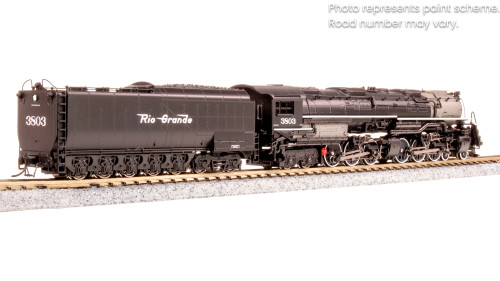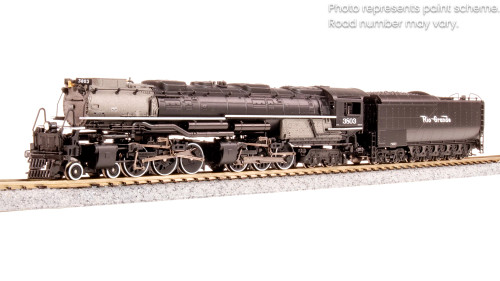


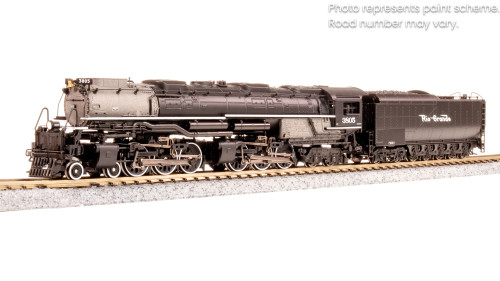
Between 1936 and 1944, the American Locomotive Company (ALCO) constructed a total of 105 Challengers in five classes for the Union Pacific. These locomotives were approximately 122 ft (37 m) long and weighed 537 short tons (487 tonnes). While primarily used for freight service across the Union Pacific system, a few were also assigned to passenger trains like the Portland Rose. The design and operational experience of the Challengers played a crucial role in shaping the renowned Big Boy locomotive type, which, in turn, influenced the design of the last three orders of Challengers.
The Challengers boasted several technical breakthroughs that contributed to their success. Operating with a high boiler pressure of 280 lbf/in2, a feature typically reserved for passenger locomotives such as the FEF Series, they sported 69-inch drivers—impressive mammoth wheels typically found on passenger locomotives. Most freight engines required smaller wheels to generate the necessary torque. Surpassing speeds of 60 miles per hour, which was unprecedented for most other railroads using articulated steam locomotives, became a regular occurrence on the Union Pacific.
Locomotive Features:
- N Scale
- Ready to Run
- Stealth Series
- DC analog operation
- DCC Ready (decoder sold separately)
- Sound Ready with factory installed 8 ohm speaker (decoder sold separately)
- Die-cast locomotive body
- Die-cast chassis for heavier weight and maximum tractive effort
- Premium caliber painting
- Prototypically accurate paint scheme
- Separately applied details including handrails, grab irons, piping, tender ladders, whistle and bell
- Directional headlight and rear light operation
- All other lights are always on
- Operating Micro-Trains compatible knuckle couplers
- Will operate on standard Code 80 track as well as Code 55 and Code 70
- Minimum required operating radius: 9.75 inches